






Code of Practice for Project Management for the Built Environment, 6th edition

The latest (sixth) edition of construction project management processes, set within the context of a number of key drivers in the industry, including the need for smart and sustainable solutions and increased value, innovation, safety and information sharing.
The Code of Practice for Project Management for the Built Environment delivers an up-to-date and comprehensive reference to the principles and practice of project management in construction and development. This latest (6th) edition covers the new technologies, internationalisation, changing legislation, and productivity and profitability challenges faced by contractors that are driving significant change in the industry.
A thorough walk through of project inception, feasibility analysis, strategy, and the pre-construction process. Plus comprehensive explorations of the construction stage of projects, as well as testing and commissioning, and project completion, handover, and operation.
This article appears on the CIOB Academy website as 'Code of Practice for Project Management for the Built Environment, 6th edition'
--CIOB
[edit] Related articles on Designing Buildings
- Building regulations.
- CIOB articles.
- Client design advisor.
- Code of conduct.
- Code of practice.
- Code of practice for programme management.
- Commercial management.
- Commercial manager.
- Construction project manager - morning tasks.
- David Trench - A career in projects.
- Design management.
- Dynamic conditions for project success.
- Independent client advisor.
- Interview with Paloma Hermoso, Senior Project Manager CIOB MAPM, Baker Ruff Hannon.
- Interview with Stephen Trench - Project manager.
- Lead consultant.
- Lead designer.
- Project manager's report.
- Project sponsor.
- Structural engineering codes.
- The role of codes, standards and approvals in delivering fire safety.
Featured articles
Check out some of the best features and news from Designing Buildings as well as key stories from around the web.

Generating energy from internal light as well as sunshine.

ECA welcomes plans to strengthen subcontractor quality control.

Combining mid-career qualifications with experience broadens career opportunities.

Why being a mentor can help your career.

Channel 4 broadcaster to host 125th anniversary ceremony.
Listed structures on the rail network
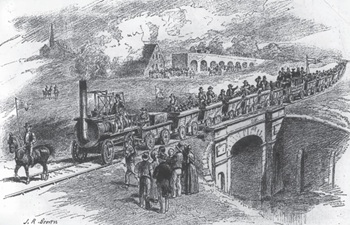
Heritage interests and operational requirements must be balanced.
Historic England publishes research into embodied carbon when retrofitting traditional buildings.

New Prime Minister delivers on ECA call for cut in electricity costs.

CIOB reacts to the announcement of Andy Burnham as Prime Minister.

Heritage and conservation science workforce survey - Have your say.
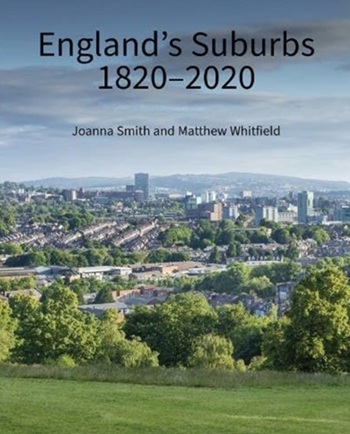
England's Suburbs 1820-2020. Book review.

New, more proportionate and targeted approach for higher-risk building assessments.